One for the Road
After the restrictions of the Covid years, Dagmara Chwalowska savours the generous welcome and sense of freedom she experiences as she travels to Andros in the Cyclades, Greece
Words and images: Dagmara Chwalowska
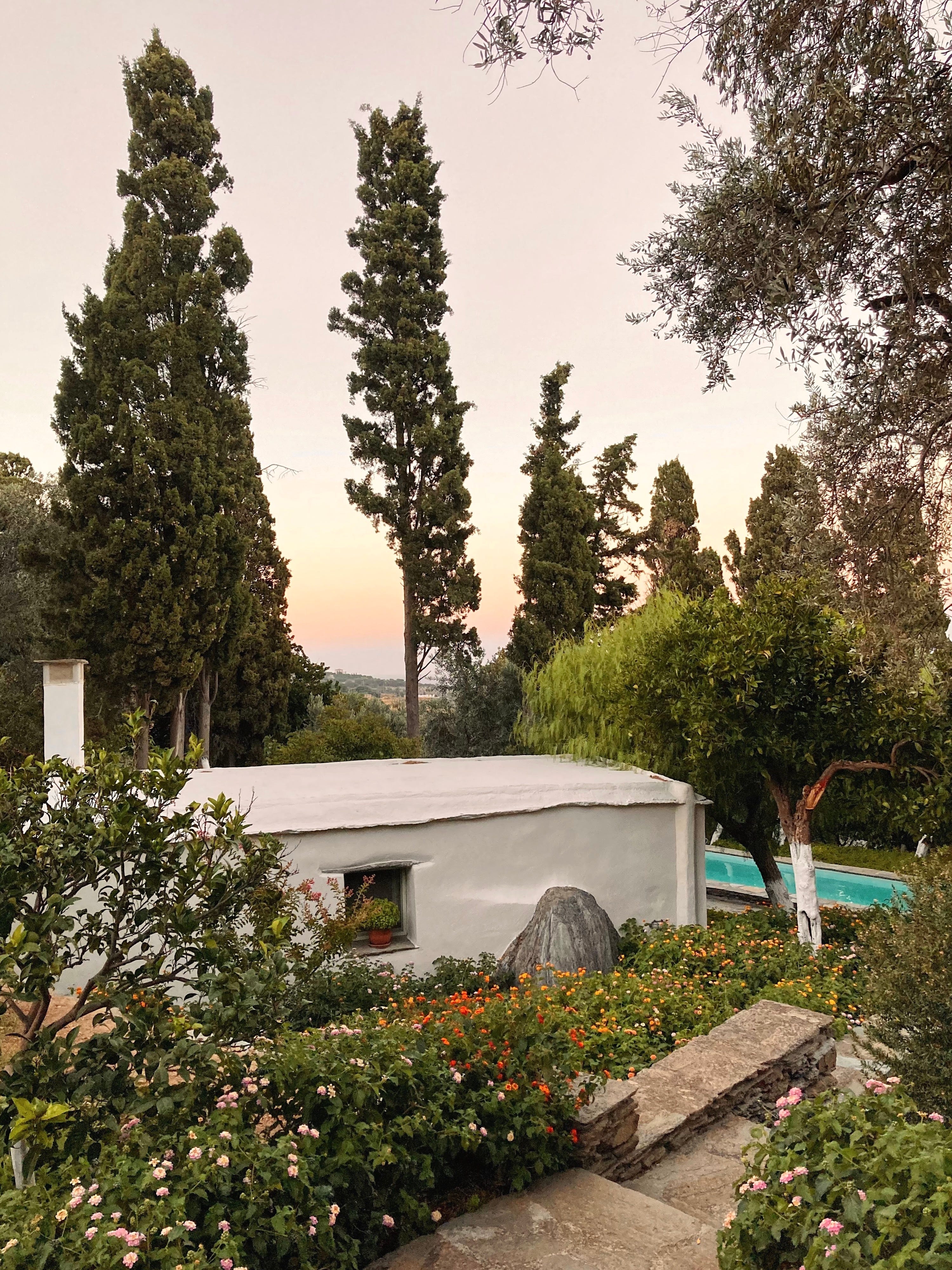
A two-hour, early morning ferry ride from Athens’ Rafina port through the cobalt waters of the Aegean Sea takes us to Andros, the northernmost of the Cyclades. Aware of its reputation for extravagantly beautiful landscapes and atypically rich vegetation, I am eager to discover a Greek island that still feels traditional, wild and discreet.
Upon arrival, the first thing to catch my attention on the way from the port to Chora, the island’s capital, is that Andros is markedly different from its neighbours in the archipelago. Yes, the dramatic mountains, crumbly windmills and watchtowers are a familiar through line, but the island seems unusually vibrant, its green interior an assertive response of the fertile earth to the long, sun-drenched summer days.
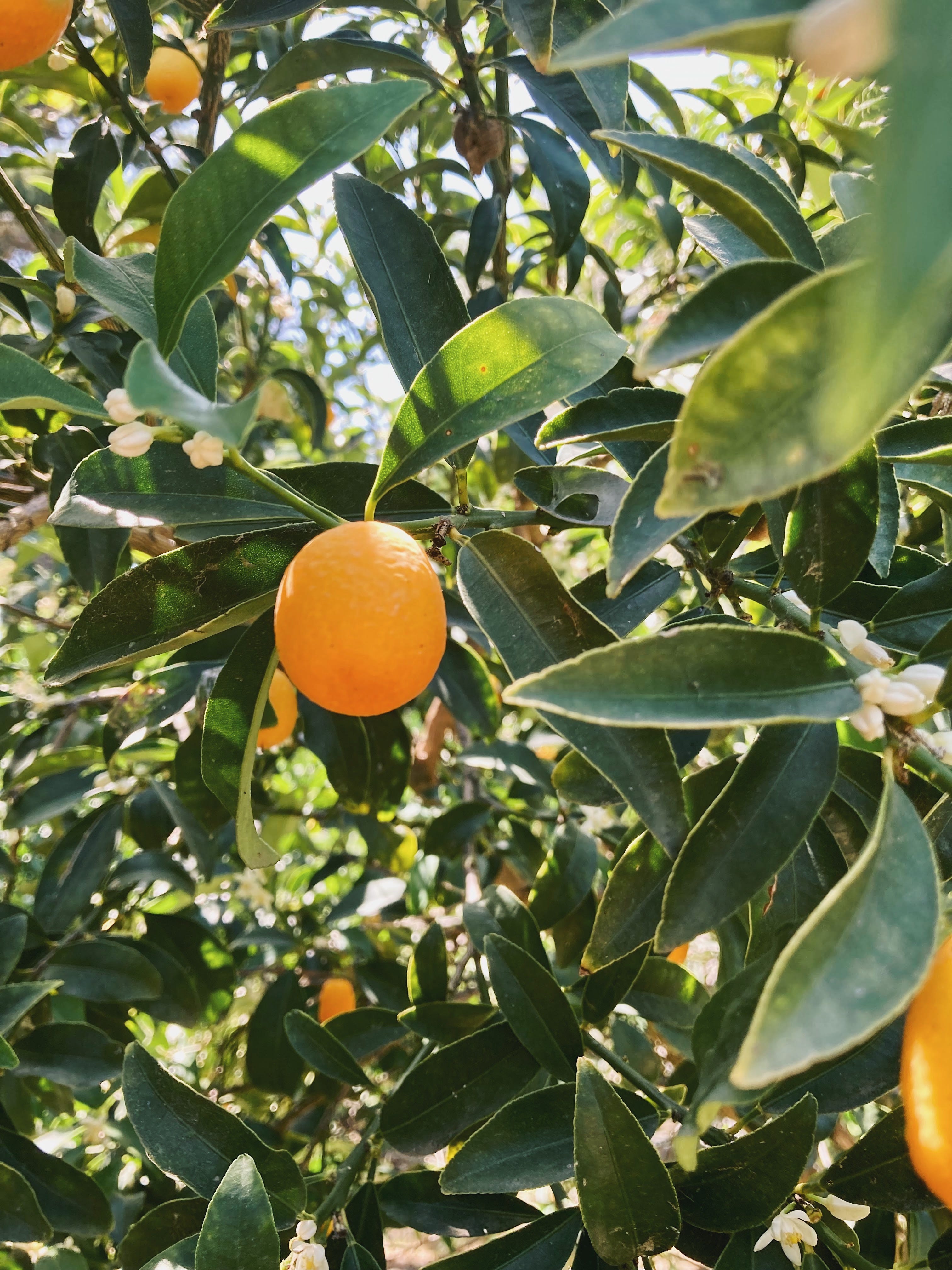
In ancient times, Andros was referred to as Hydroussa (“watery”) due to its wealth of secluded coves, waterfalls and springs, which enable diverse flora to thrive. More recently, the island gained prominence and prosperity through commercial shipping—from the mid-18th to mid-20th century it hosted the country’s second largest port. A substantial export industry was built around the island’s agricultural wealth. Lemon and mulberry trees grew in abundance, allowing farmers and merchants to export their fruits and silk destined to be sold at the faraway ports of Marseille, Odessa and Constantinople. The quality of Andros lemons was valued so highly they were wrapped and sold individually.
Ever since English became my primary language, I have been fascinated by untranslatable words—instances when a translation fails to convey their essence. There is a particular term which I learned several years ago from my half-Greek partner and have since incorporated into my vocabulary—όρεξη (órexi̱), which literally means “appetite”, but metaphorically translates to the desire or mood for something.
I have always found unusual comfort in the anonymity of being in a foreign place. I grew up hungry for ideas and places that were bigger than those that surrounded me. Living abroad and travelling from time to time was a chance for perpetual education, which I thought an excellent long-term investment into maintaining complexity of thought given our minds’ frequent tendency towards inertia, confirmation and labelling.
And then, nearly three years ago, the tectonic plates of our global health and security landscape shifted dramatically. Navigating them felt—continues to feel—heavy, and left me with little head space for things I once considered essential. If travel was possible at all, it was dictated by external factors such as attending long-postponed weddings and compromised by the need to navigate ever-changing regulations, leaving little room for a sense of freedom, intentionality or agency. With its convenient connection to Athens which allowed us to both reunite with our family and have a short solo escape, the trip to Andros was an attempt to resuscitate my órexi̱ to explore.