

Contributors in Conversation: Ellen Chapman
Part of our ongoing series spotlighting the writers and photographers behind Fieldfare Issue 5—we discuss creative writing, identity and Ellen's experience of Substack

In this ongoing Q&A series, we meet some of the writers, photographers, and artists featured in our most recent print issue and get to know the people behind the stories a little better.
Today we’re speaking with Ellen Chapman, a writer whose work reflects her gift for personal narrative and the places that have meaning in our lives. Ellen publishes on her Substack, Writing Aloud, and contributed “Ghosts on the Stairs”, an evocative meditation on grief and the loss of a beloved childhood home, to our most recent print Issue 5.
1. Tell us a bit about yourself—where are you from and where are you based?
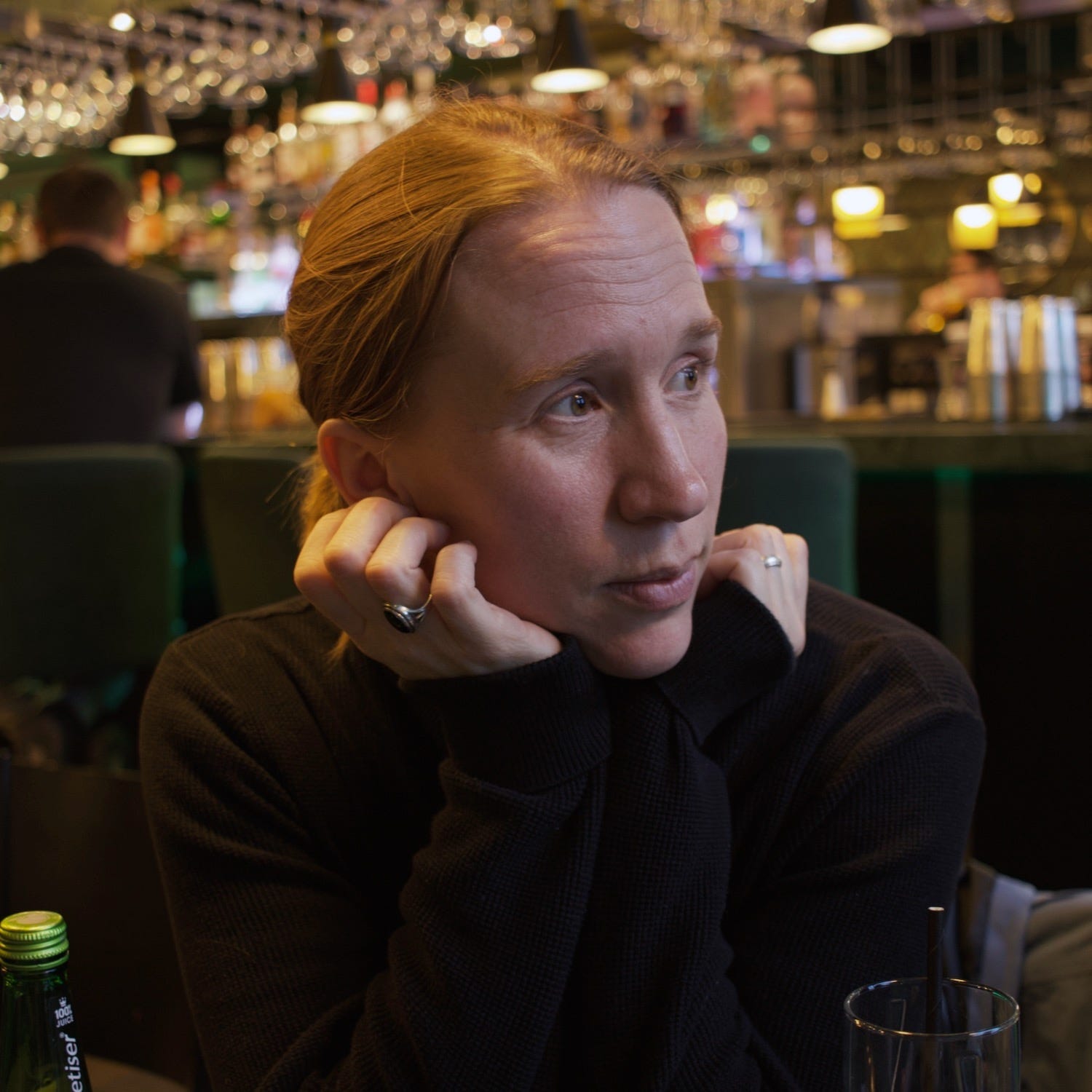
I was born in Brighton on the south coast of England, grew up on the North Wales coast, and now live in County Durham with my husband and two young sons. The north-east coast is at least a 30 minute drive away and I desperately miss living by the sea. I’m English by birth but Welsh by upbringing, which has led to a lifelong fascination with ideas of identity and belonging.
2. When did you start writing (or working in your creative field)? What first drew you to it?
I was one of those kids (and teens) who was always reading a book or writing a story— though I’m not sure if I ever finished one! I’m definitely someone who makes sense of the world through the written word. My creative writing went dormant for a long time during my late twenties and thirties as first a PhD, followed by a full-time job and then motherhood took up most of my attention. I even stopped reading during the pandemic—something about the endless undefined days of lockdown made it impossible for me to concentrate on a book. Over the last 3–4 years I’ve slowly regained my reading stamina, and more recently started writing again. It has been a delight, and I’m so glad I pushed through the imposter syndrome to do so.
3. What do you like to write about (or create) and why?
I mostly write creative non-fiction, with occasional forays into poetry and even more occasionally fiction. I write a lot about my own life, and grapple daily with the idea that doing so is inherently self-absorbed or shading into narcissism. Like many others, I’ve found the courage to challenge the voice of this internal critic through the writer and memoirist Melissa Febos. In Body Work: the radical power of personal narrative, Febos examines the bias against personal narrative and makes a case for writing memoir as a radical act: “We are writing the history that we could not find in any other book. We are telling the stories that no one else can tell, and we are giving the proof of our survival to each other”.
What I like best is taking an event or experience from my own life and looking outwards from it to wider experiences and ideas. Some of the ideas I’m currently exploring in my writing include Welsh folktales, inherited trauma, and working class social mobility in the mid-20th century. I’m also writing a memoir about the 18 months in which my mum died and I became pregnant and then gave birth to my younger son. I’m maybe two-thirds of the way through a first draft and hoping to finish it in 2026.
4. How long have you been on Substack, and what is your Substack about?
I’ve been on Substack for just over a year. My publication/blog/newsletter (still haven’t quite decided what to call it) is called Writing Aloud and, as its name suggests, is a place for me to write aloud. It started life as a way for me to commit to my writing, to prove to myself that I am taking it seriously and to keep me accountable. I publish two or three times a month. In 2025 I’ve written two monthly series: Compost and Reflect. My Compost posts are a mixed bag of nature writing and life writing, following the threads of what I’m currently reading, listening to, watching or thinking about. My Reflect posts are essentially a writing diary, reflecting on my progress against the writing intentions I set myself at the start of each month. I also post occasional life writing essays, including a mini-series on all the houses I’ve lived in, an autobiography through my scars, and a letter to my mum on the tenth anniversary of her death.
5. In your experience, what have been the pros and cons of using Substack as a platform?
I especially love the community aspects of using Substack, the ability to connect with other writers all over the world. Over the past year I’ve tapped into a network of mostly other women in midlife who are writing and thinking and grappling with similar ideas to me. There’s a lot of debate about Substack’s rapid transformation into a social media platform, but I feel like I joined at the right time to benefit from this. Substack has enabled me to form friendships with people I’ve never met—and even to make some IRL connections (rediscovering an old friend from primary school, finding out that I share a mutual offline friend with one of my favourite Substackers). There is so much excellent writing on Substack and I’ve found it easy to fill my inbox and Notes feed with interesting and thought-provoking articles by writers I admire. I also love the variety of offerings available on or via Substack: through people and publications I subscribe to I have participated in writing courses and workshops, live events and co-writing sessions. I know that the quality of my own writing has directly benefitted from these opportunities.
However, it’s very easy to become overwhelmed by Substack. There are SO many excellent writers and SO much excellent writing here—I want to read everything and subscribe to everyone but there would never be enough time or money. And of course, as a social media platform, Substack is actively trying to keep you here as long as possible. I’ve had to set boundaries around how I interact with it, and sometimes this can lead to difficult decisions, for example I’ve set myself a limit on the number of paid subscriptions I have at any one time. I also find the subscription model frustrating sometimes in terms of the variation in how people apply it. I prefer publications that post a mix of free and paid posts, rather than those which let you read the first few paragraphs for free and then add a paywall.